

What’s the Hurry?
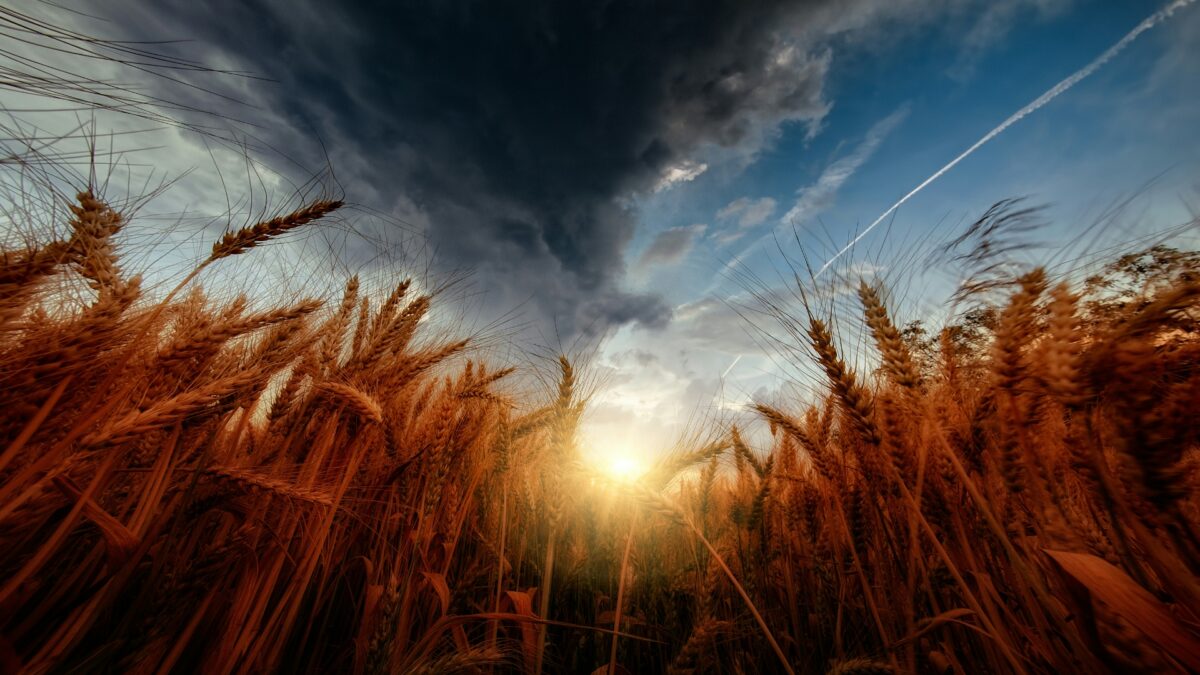
Jesus said in John 4:35:
“Say not ye, There are yet four months, and then cometh harvest? behold, I say unto you, Lift up your eyes, and look on the fields; for they are white already to harvest.“
Jesus is referring to a common catchphrase of that time: “There are yet four months, and then cometh harvest?” Today, we might hear it said this way, “What’s the big hurry?” To those with a “what’s-the-big-hurry” attitude regarding the Gospel proclamation, Jesus said, “Look on the fields; for they are ripe already to harvest.”
In using the harvest metaphor, Jesus was saying, “This is urgent!” “Hurry up!” Speaking about global outreach as a harvest indicates that we face windows of opportunity that open and close. Harvesting cannot be postponed until a more convenient time. When crops mature, they must be harvested right away or they die and wither away. Tens of thousands of people go out into eternity each day, never having heard about our Lord and Savior, Jesus Christ.
Have you heard about the two million Lampungnese of Sumatra? Almost all of them are Muslim, not because they have rejected the gospel, but because they have never heard of it. They live in villages where there are no believers or churches. Isn’t that a ripened harvest that’s going to wither away if we don’t get there soon? Oh, when will we feel the urgency?
The urgency of the Gospel is a central theme throughout the New Testament.
It emphasizes the immediate need for individuals to hear, believe, and respond by calling upon the name of the Lord for salvation. The Biblical call to world missions is rooted in Christ’s commands, the spiritual need of humanity, the anticipation of His return, and the work of the Holy Spirit.
Over three billion people on earth have never heard of the Gospel of Jesus Christ. More than 66,000 people in those unreached people groups die every day without hearing about Jesus Christ. God has the resources and manpower to start church-planting movements within every unreached people group, but mobilization is needed. This understanding should drive believers to engage in missions with urgency. I would submit that the lost key to world evangelization is the sense of urgency. Urgency is defined as a force or impulse that impels. Its root is literally an urge that is compelling, a deep knowing that immediate action or attention is required.
Additionally, the eternal consequences of accepting or rejecting the Gospel are profound.
In John 3:36, it is written:
“He that believeth on the Son hath everlasting life: and he that believeth not the Son shall not see life; but the wrath of God abideth on him.“
The contrast between eternal life and divine wrath highlights the critical importance of responding to the Gospel message. That is why we need to put a big emphasis on surrender and service. If we don’t keep pushing the urgency of the gospel, our momentum will surely die.
Certainly, there is an urgency for those who do not know Jesus Christ. The worst thing that could happen is our people thinking there is still plenty of time to snatch people out of the fire. To tell people that the cause is urgent, and that the return of Jesus Christ is at hand, is the most generous and merciful act we can perform.
Early missionary Robert Moffett said:
“We have all eternity to celebrate our victories, but only one short hour before the sunset in which to win them.”
Jim Elliot felt the shortness of time. He journaled this passionate prayer while still a student at Wheaton College:
“God, light these idle sticks of my life and let them burn for Thee. I do not desire a long life, but a full one – like You, Lord Jesus.”
Seven years later his life on this earth would be cut short on the tip of a poisoned spear as he attempted to get the gospel to the Waodoni.
I don’t know much about farming. But I do know this much: When it’s harvest time there’s nothing else on the agenda. The one and only priority is to get the harvest safely gathered. Harvest time by its very nature is not open-ended; there is a season of harvest. One of the saddest verses in the Bible is Jeremiah 8:20:
“The harvest is past, the summer is ended, and we are not saved.”
Jesus warned us not to wait and look for a more opportune time. He said (John 4:35):
“Lift up your eyes, and look on the fields; for they are white already to harvest.”
That means to do what we can now. This is the time we know we have. There is a vast, ripe spiritual harvest worldwide right now – and it is threatened because we aren’t reaping it!
-by Jon Konnerup, BBFI Mission Director