

Missions Team Travel-part 1
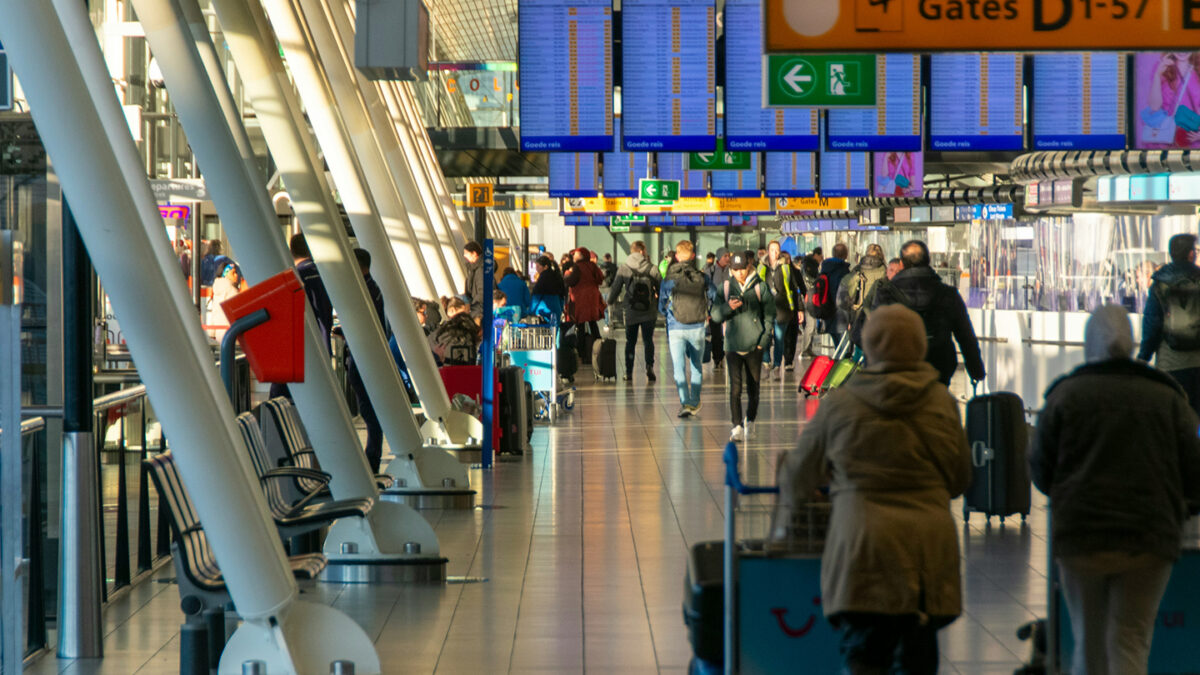
(This is the first in a series of four articles written to help prepare you and your team as you make important travel plans to optimize the experience of everyone.)
Preparing for Travel with a Team
Traveling, especially with a team, can be stressful. Good planning before you leave can reduce stress and help everyone stay safe and prepared.
Start by researching your destination and your travel route. Even if your final location is safe, you may pass through higher-risk areas. Use reliable resources like travel.state.gov, usembassy.gov, or your mission organization for current information.
Check to see if any entry visa is required for the country you are visiting. Traveldocs.com is a good website to use for entry visa information. Be sure to register every team member with the Smart Traveler Enrollment Program (STEP). This free service from the U.S. State Department (mytravel.state.gov) provides real-time safety alerts and helps embassies assist you during emergencies.
Make sure the right people know your travel plans. Share your itinerary with the missionary you will be visiting, family, and church leadership. Clear communication helps avoid problems and allows others to act quickly if something goes wrong. Decide in advance how people can reach you, such as through WhatsApp or Signal. Do not announce to the world via social media that you will be going away. Save the posting about your great mission trip until after you return home.
Think through financial and legal matters before you go. Who will handle bills or care for your home? Is your will up to date? If you have children, do you have temporary guardianship and powers of attorney in place in case something unforeseen were to occur?
Medical preparation is critical. Confirm whether your health insurance works overseas or if you need travel insurance, including emergency evacuation coverage. Make sure your immunizations are up to date and carry your yellow card with your passport. Know if your medications are legal and available in your destination country. If not, you will need to bring enough with you—packed in your carry-on. Inform your team leader of any medical conditions or allergies and complete a medical release form. This is vitally important! This will ensure that a team member could be treated should a situation occur where they would NOT BE ABLE to give authorization on their own.
Pack carefully. Carry only what you need in your carry-on, such as medications, a phone charger, and a change of clothes. Avoid bringing items that could attract attention or cause delays, like firearms permits, law enforcement badges, or unnecessary IDs. If a passport is sufficient, consider leaving your driver’s license at home as well. Did you know that your DL contains your home address? That information might be something that you want to protect.
Blend in as much as possible. Learn about the local culture, dress modestly and appropriately, and avoid clothing or symbols that might draw attention. Consider how tattoos or piercings may be viewed and adjust as needed.
Good preparation helps reduce stress and keeps your team safe and focused on the mission. While not every risk can be avoided, being informed, intentional, and alert allows you to respond wisely to challenges. Plan well, watch out for one another, and practice good situational awareness so your team can serve effectively and return home safely.
-by Mike Hillhouse, BBFI Associate Mission Director