
TCK Resilience
Several years ago we became aware of an organization called TCKtraining.com. It was begun by Lauren Wells, herself a TCK. TCK stands for “third culture kid” training. In the past I have referenced some of their resources, but I realize we are always getting new missionaries, so I wanted to highlight them again.
This organization has done a lot of research into third culture kids, those still at home as well as adult TCKs (ATCKs). They are able to offer a wealth of resources for parents and others who might work with this population.
Right now on their website you can sign up for a free workshop called “Building Resilience for Expat Families.”
I recently watched this, and here is what I learned:
The question is asked, why is it important to build resilience? For the longevity of our families on the field and to have healthy adult third culture kids we need to build resilience.
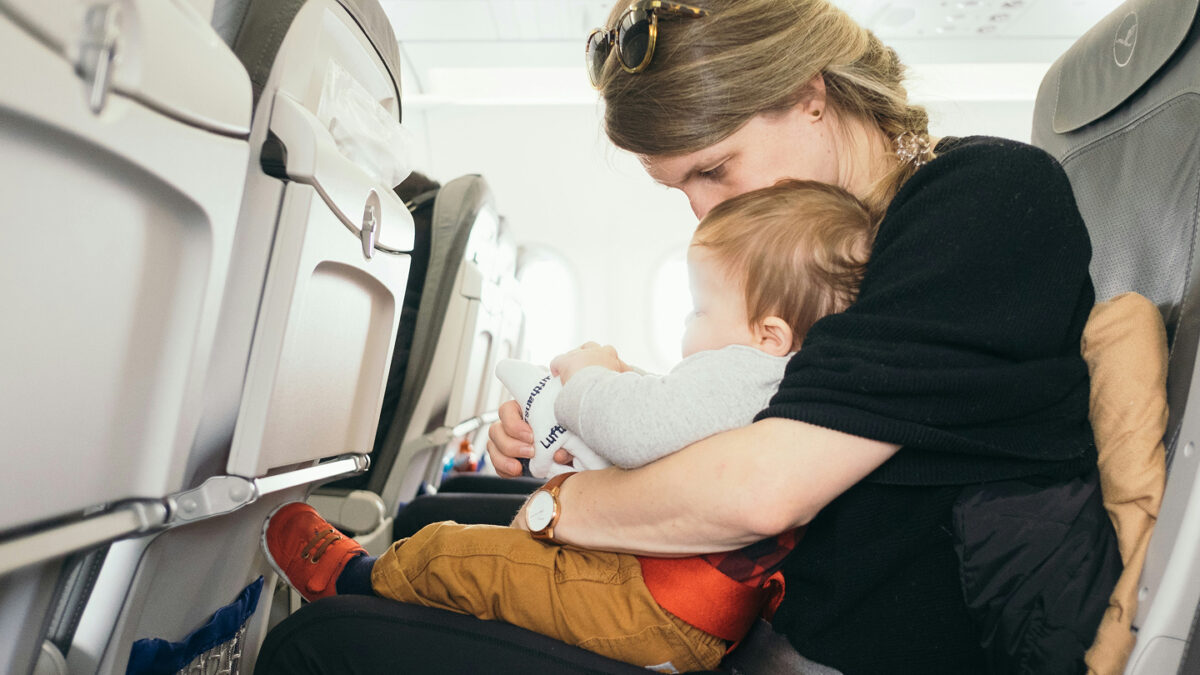
We are reminded of the definition of a third culture kid. This is a child that is globally mobile. They have shared characteristics with other globally mobile kids, even if they are being reared in different countries. Third culture kids usually intend to go back to their passport country at some point in their lives. Their families are living overseas by choice, for a particular reason.
The TCK training organization is a research-based and hope-filled organization. They know that living abroad as a family is exciting and full of benefits, but it is also full of unique challenges. Children experience many losses, high mobility in their lives with people coming and going, as well as their own frequent transitions, and can also face some scary situations in their host country.
What is the secret to turning these challenges into opportunities for families to thrive? It’s not taking away the challenges. TCKtraining has done extensive research with over 2,000 TCKs to find the answers to this question. Expat families are at high risk for experiencing trauma and adversity. These risks can lead to an increase in mental health challenges, harmful behaviors and physical health conditions. But preventive care makes a measurable difference. When preventive care is present, TCKs are significantly less likely to struggle with anxiety, depression or suicidal ideation. They are also less likely to struggle with addictions to smoking, alcohol, drugs, or experience migraines or chronic illness. They have found that those experiencing preventive care were 130% more likely to say childhood was wonderful. Preventive care is cultivated through safe people, community, safe places, and purpose.
The challenge is fostering these things consistently in the midst of a mobile, cross-cultural environment. The TCKtraining website can show you how to do this in practical ways.
They also have a one-hour online workshop called “Raising Thriving Kids Abroad”. At this time it is $25 to view this. They have many topic related to TCKs that you can watch for a low fee, and some things available free of charge.
They also have experts available to talk with you if you are interested in scheduling a call.
I hope you will take a look at their website: www.tcktraining.com. Click on “education” then choose “blog” from the drop down menu. Scroll down to the bottom of the page and you should see choices for the free 13-minute workshop “Building Resilience for Expat Families.” You may need to provide an email address or create an account in order to access the free information. I hope this information is helpful for you and your families!
God bless, and have a blessed Thanksgiving!