

Missions Team Travel-part 2
(Part 1 in this series of recommendations for mission trip teams, can be found HERE.)
Good planning before a trip matters—but so do the choices you make once you arrive. In our last article, we focused on pre-trip preparation. This article offers practical, easy-to-follow habits to help you reduce risk on the ground, including tips about transportation, protecting your valuables, and lodging.
Public transportation is often necessary when traveling, but it can increase your security risk. Check with trusted in-country partners about the safest options; in some places, reported rates of harassment and assault on public transit are higher, and better alternatives may exist. If you must use public transportation, use the buddy system whenever possible and avoid traveling alone. Also, be mindful of what you discuss in public—you never know who is listening, and casual details could put you or your ministry partners at risk, especially in high-risk locations.
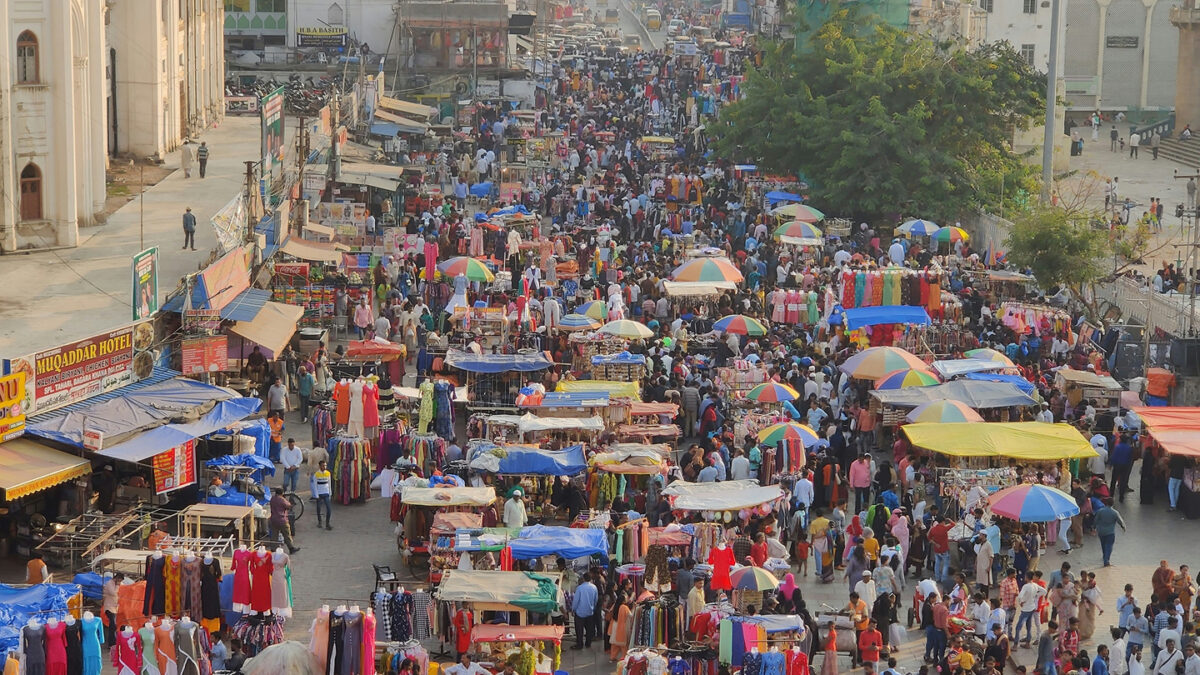
Even when you are on foot—walking through a city, market, or airport—small habits can reduce your chances of being targeted. Keep valuables secure and hard to grab. Women may want to carry a purse in front or tucked under an arm. In Burkina Faso, I’ve seen thieves cut the purse strap to snatch a bag, especially when someone is stopped on a motorcycle at a light. Simply tucking your bag under your arm might be enough of a deterrent to make the criminal look for an easier target. Men should keep wallets in a front pocket. If you carry a backpack, consider wearing it in front, especially in crowded areas. For cash, a money belt worn under your clothing is more secure than a waist pack, purse, or backpack—especially if you are carrying larger amounts of money.
If you are staying in a hotel, take steps to make yourself a harder target. When possible, avoid well-known Western hangouts, popular Western hotels, and major tourist sites, which are often targeted by criminals or terrorists. If you are staying at the same hotel for an extended amount of time, consider changing rooms every few days to reduce predictable patterns. Request a room between the 2nd and 7th floors: lower floors are easier for criminals to access and exit, but higher floors can make evacuation harder during an emergency. When it makes sense, vary your routine—use different entrances and avoid leaving and returning at the exact same times each day. Be careful what you throw away; documents, receipts, and other personal details can be used to gather information about you or your team. Practice good situational awareness, watching for people who are lingering or seem out of place. Finally, be cautious about opening your door to unrequested maintenance or housekeeping; if you are staying in a home, use the same caution with door-to-door salespeople.
In short, staying safe after you arrive is less about fear and more about practicing wise preventive habits. Doing these simple things can help you lower the risk of being victimized. It will protect your team and help you stay focused on the purpose of your trip.
-by Mike Hillhouse, BBFI Associate Mission Director